It's not a marketing line — it's chemistry
Resin bound driveways are mixed on site: aggregate stones blended with a two-part polyurethane resin, troweled flat, and left to cure. That cure is a chemical reaction, not a drying process. And like most chemical reactions, it's heavily influenced by temperature and moisture in the air.
Lay resin in summer and conditions are working with you. Lay it in autumn or winter and conditions are working against you. Here's exactly why that matters for your driveway — and why every experienced installer in Norfolk has a busier summer than they do November to February.
The temperature window
Polyurethane resin cures properly between roughly 10°C and 25°C. Outside that window:
- Below 10°C — the cure slows dramatically. A typical 8-hour set can stretch to 24-48 hours. The resin can still finish, but the longer it sits uncured, the higher the risk of moisture interference, surface haze, or the stones not bonding as tightly as they should.
- Above 25°C — the cure accelerates. Working time drops sharply, which makes it harder to get a perfectly even finish across larger areas. Skilled installers can manage hot conditions by working in smaller sections, but it's a constraint.
Norfolk summers — average daytime temperatures of 18-22°C from May through September — sit almost perfectly in the middle of the ideal range. Cool mornings, warm afternoons, manageable working windows.
The moisture problem
Polyurethane resin is moisture-sensitive while it cures. If rain falls on a freshly laid surface within the first 4-6 hours, you can end up with white bloom (a chalky haze), tacky patches, or in bad cases, a surface that has to be lifted and relaid.
Summer in Norfolk gives us:
- Longer dry-weather windows — weeks at a time of stable conditions, not the 24-hour gaps you sometimes get in spring and autumn
- Lower humidity — typical summer humidity sits around 65-75% vs 85-95% in late autumn, which keeps the resin chemistry predictable
- Faster surface dry-down — the existing tarmac base needs to be bone dry before resin goes down. In November, that can take two days after rain. In July, it's an hour or two.
What this means in practice
A tougher, longer-lasting finish
Resin that cures fully — at the right temperature, with the right working time, undisturbed by moisture — develops the maximum mechanical bond between aggregate stones. That's the surface that lasts 15-20 years. Resin that cures in marginal conditions still works, but small compromises in the cure can shorten the lifespan or affect appearance.
Faster turnaround from start to finish
A typical resin driveway installed in summer:
- Foot traffic the next morning (around 8-12 hours after laying)
- Light vehicle traffic within 24 hours
- Full cure within 3-5 days
In winter, those timings can stretch to 48 hours for foot traffic and a week or more for full cure. Not the end of the world, but it means longer disruption to your access.
The site looks better when finished
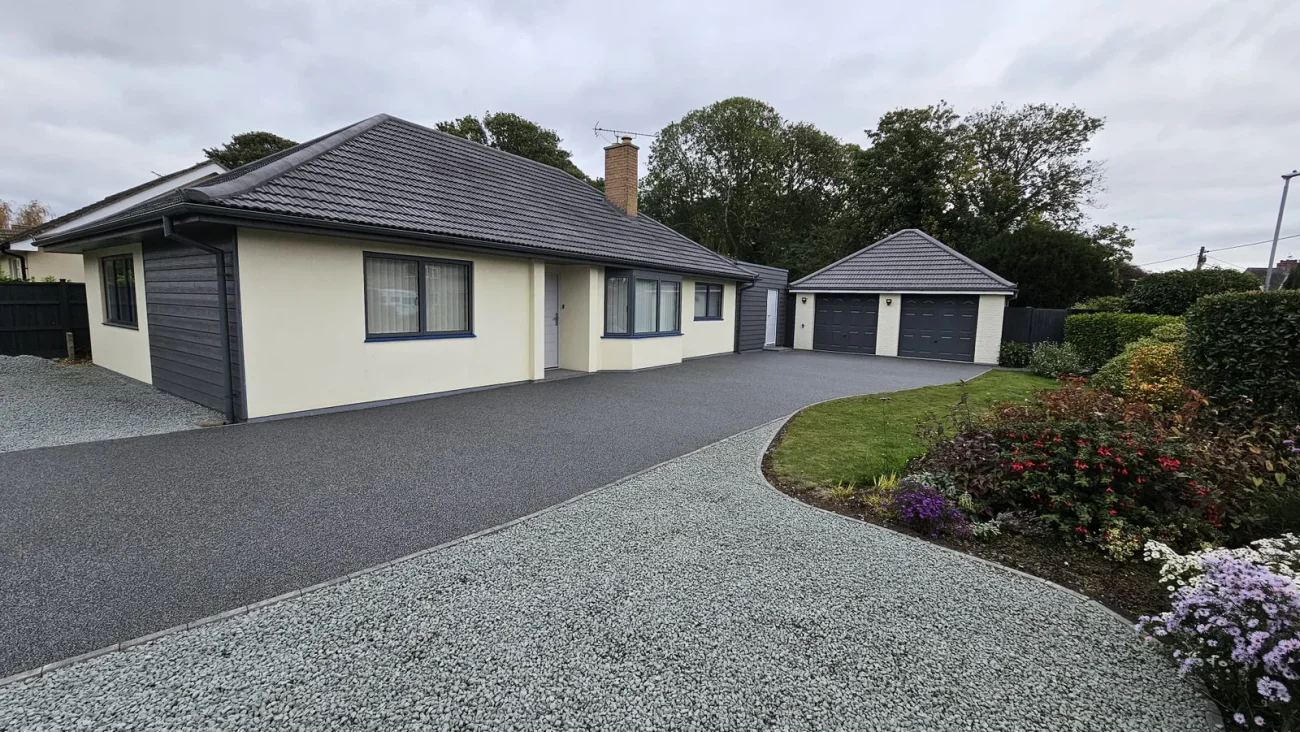
Bright summer light shows off the colour and texture of the aggregate in a way that grey autumn skies don't. Many customers comment that the driveway looks even better than they expected when they see it in proper sunshine for the first time. Hand-over photos taken in July are simply more flattering than ones taken in December.
What about spring and autumn?
Both can produce excellent results when the weather behaves. April-May and September-October sit just inside the workable temperature range, and good installers can read the forecast and time the job carefully.
The risk is unpredictability. A spring install booked for a sunny week in March can run into a sudden cold snap; a September job can get hit by a stalled low-pressure system. Summer just gives you more margin for error.
What about winter installs?
We do install through winter when conditions allow — clear, dry, above-freezing days exist in Norfolk between November and February — but we're transparent about the trade-offs:
- Longer lead times waiting for suitable weather windows
- More cure time required before vehicle access
- Higher risk of needing to reschedule mid-project if weather turns
If your project genuinely can't wait, winter installs are possible. But if you've got flexibility on timing, summer is the right answer almost every time.
The short version
Polyurethane resin chemistry prefers 10-25°C and dry conditions. Norfolk summers deliver both reliably. You get a faster install, a fully cured surface, and a finish that lasts longer.
If you're considering a resin driveway, get a free site visit and itemised quote — and we'll tell you honestly what window suits your project best.
Ready to get a quote from Norfolk's most experienced driveway specialists?
Get a Free Quote